
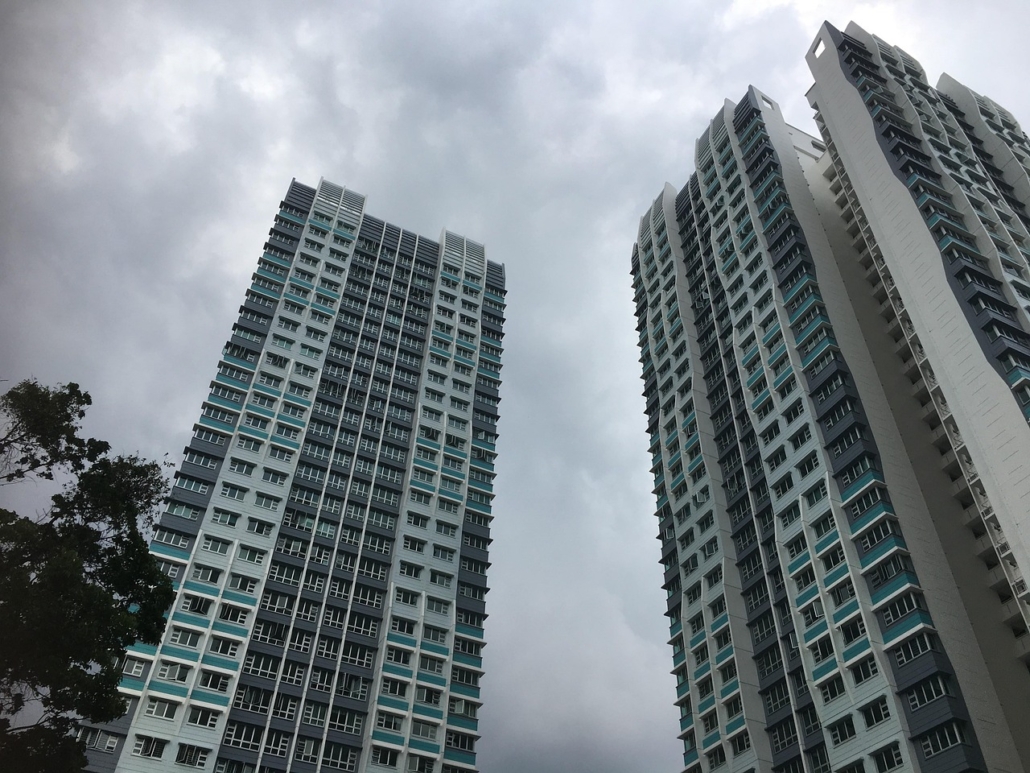
Electrical problems in an HDB flat can range from a simple power trip to recurring circuit faults, damaged sockets or ageing wiring. Electrical faults are common in older HDB flats, where aging wiring and components now have to support modern high-power appliances such as air-conditioners and water heaters. Knowing what to check, and what to leave alone, before an electrician arrives can keep a small fault from becoming a dangerous one.
In Singapore, electrical work such as repairing wiring, replacing circuit breakers, or adding or replacing power points should be carried out or supervised by an EMA-licensed electrical worker.[1] This guide explains the common causes of HDB electrical repair issues, what you can safely check before calling an electrician, what you should never attempt yourself, and what to expect during a professional repair visit.
Common HDB Electrical Problems
Electrical faults can present themselves in several ways. Recognising the symptoms can help you describe the problem accurately when contacting an electrician.
Power Trips and Circuit Breaker Trips
A sudden loss of electricity in part or all of your HDB flat is one of the most common electrical problems. A tripped MCB may indicate an overloaded circuit or a short circuit, while an RCCB trip can indicate electrical leakage from an appliance, wiring or insulation fault.[2]
If power is lost only in one room or area of the flat while other areas continue to have electricity, the issue may be limited to a particular circuit. This can help the electrician narrow down where the fault may be occurring.
If the breaker trips again after a basic reset, avoid repeatedly switching it back on. Recurring trips are a sign that the underlying fault needs to be identified rather than simply resetting the breaker.
Faulty Power Sockets and Switches
Loose, damaged or non-functioning sockets and switches can affect everyday appliances and lighting. Signs such as warmth, buzzing, sparking, discolouration or a burning smell should be treated seriously.
If you notice a burning smell coming from a switch or socket, stop using it and contact an EMA-licensed electrical worker for inspection. Do not touch the affected fitting or attempt to repair it yourself.
A damaged component, a loose connection, an overloaded circuit, or an underlying wiring problem may cause a faulty socket. A licensed electrician can test the point and determine whether the issue is isolated or part of a larger electrical fault.
Flickering or Dimming Lights
Lights that flicker, dim unexpectedly or behave differently when large appliances are switched on may indicate an electrical issue. Possible causes include loose connections, circuit loading or ageing wiring.
Occasional flickering should not automatically be assumed to be a bulb problem. If it continues after replacing the bulb, professional inspection is advisable.
Frequent Electrical Faults in Older HDB Flats
Older HDB flats may have ageing electrical wiring and components that are no longer well suited to modern household usage. HDB states that PVC electrical cables have an estimated average lifespan of around 25 years and advises owners to consider replacement when the wiring reaches the end of its lifespan or has deteriorated.[3]
Frequent trips, damaged insulation, unusual smells or recurring faults can therefore warrant an inspection of the wider electrical installation rather than a single-point repair.
What Causes These Issues in HDB Flats?
Understanding the likely cause can help homeowners decide whether a problem requires immediate professional attention.
Electrical Overload
Modern HDB households may operate several high-power appliances at the same time, including air-conditioners, water heaters, ovens and induction cookers. Too much demand on a circuit can cause protective devices to trip.
HDB flats can also have different electrical loading arrangements depending on the age and upgrading history of the block. HDB notes that blocks completed on or after 1 January 1994, or upgraded under its Main Upgrading Programme (MUP) or Home Improvement Programme (HIP), have a higher-capacity 40A main switch.[3]
Faulty Appliances
An appliance can sometimes be responsible for a power trip rather than the home’s wiring. A damaged cable, internal short circuit or insulation fault may cause the protective device to operate when the appliance is switched on.
This is why identifying whether the problem follows one particular appliance can be useful information for an electrician.
Aging or Damaged Wiring
Electrical wiring can deteriorate over time, particularly in older flats. Damaged insulation, loose connections or ageing cables can create intermittent faults and safety risks.
HDB requires electrical wiring installation work to be carried out by an EMA-licensed electrical worker, and a licensed worker can assess whether you need an HDB electrical wiring replacement.
Renovation or Unauthorised Electrical Work
Previous renovation work can also affect an HDB flat’s electrical installation, particularly if wiring or modifications were carried out incorrectly during past DIY work or by unlicensed workers.
HDB specifically states that electrical wiring installation work must be carried out by an EMA-licensed electrical worker and that unauthorised electrical work may need to be removed or reinstated.[3]
Water Damage in Kitchens and Bathrooms
Kitchens and bathrooms expose electrical points to moisture and humidity. If water reaches sockets, switches or concealed wiring, it can damage insulation and cause leakage or power trips. Do not touch a wet or damaged fitting; stop using that area and call an electrical worker.
What Homeowners Can Safely Check Before Calling
Following a basic home electrical safety checklist can help you understand the fault without attempting electrical repairs yourself.
Check the DB Box
If the power has tripped, look at the external switches in your home’s distribution board (DB) box. You may be able to identify whether an MCB or RCCB has moved from its normal position.
Do not remove the DB box cover or touch exposed wiring. The RCCB is a safety device designed to cut the electricity supply when it detects leakage, and EMA recommends testing it regularly according to its safety guidance.[2]
Check Whether One Appliance Is Responsible
Think about what was switched on immediately before the power went out. If the trip consistently happens when one particular appliance is used, stop using that appliance and leave it disconnected.
Identify Which Circuit or Area Is Affected
Note which rooms or appliances have lost power so the electrician can narrow down the fault more quickly.
Check for Visible Warning Signs
Without touching the electrical components, look for obvious signs such as a burnt smell, scorch marks, melted plastic, sparks or visible damage to a plug or cable.
If there is fire, smoke, immediate danger, an electric shock or someone is seriously unwell, move to safety and call 995. Otherwise, switch off the main switch only if it is dry and safe to reach, then call an electrician. Do not attempt to repair the plug, socket or wiring yourself.
What You Should Never DIY
Electrical repairs are not the same as replacing a light bulb or unplugging an appliance. Incorrect work can create electric shock, fire and equipment-damage risks. Electrical repair work must be carried out by an electrician.
Do Not Replace Circuit Breakers Yourself
A faulty MCB or RCCB should not simply be replaced with another breaker without determining why the original device operated. Electrical work involving circuit breakers must be carried out by an appropriately licensed electrical worker.[1]
Replacing a protective device without identifying the underlying fault can leave the actual problem unresolved.
Do Not Open the DB Box or Alter Wiring
Homeowners should not remove covers, manipulate internal wiring, replace wiring inside walls, install new circuits or modify connections inside the DB box.
EMA advises that electrical work involving wiring, power points, switches, lighting points and circuit breakers should be carried out or supervised by a licensed electrical worker.[1]
Do Not Work on Electrical Fittings in Wet Areas
Do not touch, repair or replace any socket, switch or fitting in a kitchen or bathroom yourself. If one is wet, damaged or not working properly, stop using it.
Do Not Keep Resetting a Tripping Breaker
A breaker that repeatedly trips is providing an important warning. Repeatedly resetting it without finding the cause can allow the underlying fault to remain unresolved.
If the breaker trips again after one reset attempt, leave it off and get a professional to identify the fault.
What to Expect During an HDB Electrical Repair Visit
Knowing what happens during a repair visit can make the process more straightforward and help you prepare useful information beforehand.
Initial Inspection and Fault Diagnosis
The electrician will first discuss the symptoms and establish when the problem occurs. They may then inspect the relevant electrical points, DB box and affected circuits to identify the source of the fault.
A proper diagnosis is important because the visible symptom is not always the actual cause. For example, a recurring power trip could originate from an appliance, circuit overload, leakage or wiring fault.
Testing and Repair
Depending on the problem, the electrician may carry out electrical tests, isolate the affected circuit or inspect the relevant socket, switch, appliance connection or wiring.
Once the cause has been identified, the electrician can explain the required repair and any replacement components before proceeding. The exact work will depend on the condition of the installation and the nature of the fault.
How Long Will It Take?
The time needed depends on factors such as the complexity of the fault, the availability of replacement parts and how easy it is to reach the affected wiring. Ask the electrician what could affect the timing once the cause is known.
Final Safety Checks
After the repair, the electrician should confirm that the affected electrical installation is operating safely. For electrical work covered by the relevant requirements, EMA notes that the electrical worker is responsible for inspecting and certifying the installation before electricity supply is turned on.[2]
Ask the electrician these questions during the visit:
- What caused the electrical fault, and does it indicate a wider problem?
- What repair work have you completed, and has the affected circuit been tested?
- Are there any warning signs to watch for, or is further monitoring or follow-up work recommended?
How to Choose the Right Electrician for HDB Electrical Repair
Choosing an electrician based solely on the lowest quoted price can create problems if the fault is not properly diagnosed or the work is not carried out by a professional.
Ask What the Quote Includes
Before confirming a booking, ask what the visit includes, such as inspection, fault diagnosis and testing. Before approving any repair, clarify what the quoted price covers, including inspection, labour and replacement parts, and whether any additional work will be charged separately.
A clear quotation makes it easier to compare options and reduces the risk of unexpected charges once work has started.
Look for Proper Fault Diagnosis
Be cautious of recommendations for major electrical work before the cause of the problem has been established. Other red flags include an electrician who pressures you to approve repairs without explaining the fault, proposed work and costs. A professional should assess the symptoms and explain why a particular repair or replacement is necessary.
For recurring power trips, for example, the priority should be identifying and fixing the underlying electrical fault.
Consider Experience With HDB Flats
HDB flats have specific requirements relating to electrical loading, concealed wiring, renovation work and electrical installations. An electrician familiar with HDB properties can better understand these considerations when assessing a fault or planning repair work.[3]
Make the Right Call Before a Small Electrical Problem Becomes a Bigger One
Most electrical problems are easier to manage when the underlying cause is identified early. Before calling a technician, check the external switches on the DB box if it is safe to do so, consider whether one appliance may be causing the fault, note any warning signs such as sparks or a burning smell, and identify which rooms or appliances have lost power. Do not investigate further if you notice smoke, flames or other signs of immediate danger. A tripped breaker, faulty socket or flickering light may have a straightforward explanation, but repeatedly ignoring the warning signs can allow a more serious fault to develop.
Homeowners can safely make basic observations, isolate a suspect appliance and check the visible position of breakers. Electrical repairs, wiring modifications and component replacements should be left to a professional. The cheapest quote is not always the safest choice. Prioritise clear pricing, proper diagnosis and safe workmanship over cost alone when arranging electrical repairs.
Facing an electrical issue in your HDB flat and not sure what to do next? Skip the guesswork and call a professional. Electricman provides reliable HDB electrical repair services with transparent pricing and no hidden charges.
References
- Energy Market Authority (EMA), “Engaging Licensed Electrical Workers,” https://www.ema.gov.sg/consumer-information/electricity/engaging-licensed-workers
- Energy Market Authority (EMA), “Electrical Safety,” https://www.ema.gov.sg/consumer-information/electricity/electrical-safety
- Housing & Development Board (HDB), “Renovation Guidelines for Electrical Works,” https://www.hdb.gov.sg/managing-my-home/renovation-and-maintenance/renovation/renovation-guidelines/electrical-works
