
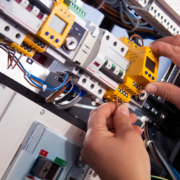
Top Signs You Need Emergency Electrical Services Immediately

Electrical faults do not announce themselves with much warning. A smell, a flicker, a breaker that trips twice in a week – although these can each feel like minor inconveniences. But in commercial premises, restaurants, offices, factories, and hotels, the gap between a warning sign and a serious incident can be very short. Overloaded wiring overheats in minutes. Arcing inside a distribution board can start a fire before a smoke alarm triggers. A loose earth connection puts your staff at risk every time they touch a piece of equipment.

The challenge for business owners and facilities managers is knowing which signs require emergency electrical services immediately and which can wait for a scheduled visit. Responding to the wrong signals too slowly costs far more than a prompt call-out – in repair bills, downtime, and, in some cases, consequences that cannot be undone. This guide covers the eight most critical warning signs, explains the risk behind each, and tells you what to do before help arrives.

What Are Emergency Electrical Services?

Emergency electrical services cover faults that pose an immediate risk to people, property, or business operations. Unlike routine maintenance or planned installations, which are booked in advance, emergency electrical services address situations where waiting days for a standard appointment is not safe or practical.

Common triggers for emergency electrician services in Singapore include sudden power loss, sparks or smoke from outlets or panels, burning smells, electrical shocks, and water ingress near electrical systems. When these occur, a licensed electrician will carry out fault diagnosis, isolate the hazard, make the system safe, and carry out repairs where possible on the same visit.

When Is It Truly an Emergency?

Not every electrical issue is the same. Here is a simple framework:

  • Call an emergency electrician now: burning smell, sparks or smoke, shock received, water exposure to electrical systems, complete property outage
  • Arrange same-day inspection: frequent circuit breaker tripping, persistent flickering lights, buzzing or humming from the electrical panel
  • Schedule within the week: isolated non-critical light failure, routine installation checks

When in doubt, treat it as urgent. The cost of an unnecessary call-out is far lower than the cost of a fire, equipment loss, or injury.

Frequent Circuit Breaker Trips: A Warning You Should Not Ignore

Circuit breakers exist to protect your electrical system. When a circuit draws more current than it is rated for or when a short circuit occurs, the breaker trips, cutting power before the wiring can overheat. This is the circuit breaker doing exactly what it should.

The problem begins when tripping becomes frequent. If you find yourself resetting the same breaker repeatedly, the breaker is not malfunctioning; it is flagging an unresolved fault.

The most common causes of frequent circuit breaker trips in commercial premises are:

  • Overloaded circuits: total electrical load exceeds the circuit’s rated capacity, common in kitchens, server rooms, or any area where equipment has been added incrementally over time
  • Short circuits: a live wire comes into contact with a neutral or earth wire, either from damaged insulation or a loose connection. This is one of the more dangerous faults, as the heat generated at the point of contact can cause fires
  • Faulty appliances: a piece of equipment with an internal fault that draws abnormal current
  • Ageing breakers: circuit breakers can fail over time, tripping at loads below their rated threshold or, conversely, failing to trip when they should

The risk in continuing to reset without investigation is significant. Each reset without fixing the root cause allows the underlying fault to continue. If the breaker itself eventually fails, the protection it provides disappears entirely and overheated wiring becomes a fire risk.

If a breaker trips more than twice in quick succession, switch off non-essential equipment on that circuit and contact an emergency electrician for fault diagnosis.

Burning Smell or Scorch Marks: Act Before It Becomes a Fire

A burning or acrid smell coming from an outlet, switch plate, or distribution board is one of the most serious warning signs you will encounter. It means something is already overheating.

Scorch marks, brown or black discolouration around outlet faces, switch plates, or inside panel doors indicate that heat damage has already occurred at that point. Even if you cannot smell anything at the time of inspection, the discolouration tells you a fault has been active.

Common causes include:

  • Loose connections create arcing. When current jumps across a gap, it generates intense, localised heat
  • Overloaded circuits running continuously at close to their rated limit
  • Deteriorated wiring insulation is particularly relevant in Singapore commercial buildings that have not had their wiring inspected in 15 to 20 years
  • A faulty appliance is sending abnormal current back through the circuit

A note on intermittent smells: a burning odour that disappears after a short time does not mean the fault has resolved. It means the overheating has paused. The fault is still present and will resume.

Switch off the affected circuit at the distribution board immediately. Do not restore power to that outlet or switch. Contact emergency electrical services and do not use the circuit until it has been inspected and cleared.

Power Outage in Your Property Only: Do Not Assume It Is SP Group

If neighbouring buildings or units have power but yours does not, the fault is internal; it is not a grid outage from SP PowerGrid.

The first step is to check SP PowerGrid’s outage map or their hotline to confirm no planned or unplanned outage is active in your area. If the grid is fine, the fault is in your property’s own electrical system.

Common causes of a property-specific power outage include:

  • A tripped main breaker or RCD (residual current device) that will not reset, indicating a downstream fault that the device is correctly responding to
  • A fault in the main incoming supply cable between the meter and the distribution board
  • A failed or blown main fuse
  • An overloaded distribution board

Partial outages where some circuits are live, and others are not, point to a zone fault or a specific MCB (miniature circuit breaker) that has failed and will not reset. This pattern is useful diagnostic information for the electrician and should be noted when you call.

What not to do: repeatedly reset the main switch without understanding why it is tripping. If there is an active fault downstream, continued resets risk equipment damage and increase the chance of a fault escalating into a fire.

For commercial premises where a power outage means operational downtime, such as kitchens, cold storage, manufacturing floors, and hotels, this is a genuine emergency. Contact emergency electrical services immediately.

Sparks or Smoke from Electrical Outlets: Stop, Isolate, Call

A small spark when initially plugging in a device can occasionally occur due to the brief inrush of current. This is considered within normal limits for some outlets. What is not normal: sustained sparking, large sparks, or any visible smoke.

Smoke from an outlet or electrical panel indicates that active overheating is occurring at that point. Electrical fires are particularly dangerous in commercial buildings because they travel through wall cavities and ceiling voids. A small spark event can precede a structural fire that becomes visible only after it has already spread.

Common causes of sparks and smoke from outlets:

  • Loose wiring inside the outlet box is causing arcing at the connection point
  • Worn or damaged outlet contacts that no longer grip the plug securely
  • A short circuit in the connected appliance introduces abnormal current into the circuit
  • Moisture inside the outlet box

If you see smoke from an outlet or panel, do not attempt to remove any plugged-in device by hand. Isolate the circuit at the distribution board. If fire is already present, use a CO₂ extinguisher; never water on an electrical fire and call SCDF on 995. Once the immediate hazard is under control, contact emergency electrical services before restoring power to that circuit.

Flickering or Dimming Lights: More Serious Than It Appears

Some dimming is expected. When a large motor or compressor starts an air-conditioning unit, a lift, or industrial machinery, the brief inrush of current causes a momentary voltage dip, and nearby lights may dim slightly for a second. This is normal.

Persistent or worsening flickering, flickering that is not linked to appliance start-up, or flickering affecting multiple zones simultaneously is a different matter. These patterns indicate a wiring or distribution problem that requires urgent investigation.

The most common and dangerous cause is loose neutral wire. The neutral conductor carries current back from your circuits to the supply. A loose neutral connection disrupts this return path and creates voltage imbalances across your circuits. The consequences range from unpredictable equipment behaviour and damage to sensitive electronics (computers, servers, point-of-sale systems) through to overheating at the loose connection point, a fire risk.

Other causes to investigate:

  • Failing connections inside the distribution board
  • Voltage fluctuations from a fault further up the supply chain
  • Overloaded circuits where demand is consistently at or above capacity

If flickering lights are widespread or worsening, arrange a same-day emergency electrician inspection. Loose neutrals are one of the leading causes of electrical fires and must not be left uninvestigated.

Electrical Shocks When Touching Appliances or Switches: Never Ignore This

Any shock, even a mild tingle when touching a switch, outlet, or the casing of an appliance, is abnormal. It tells you that current is flowing somewhere it should not be.

The physiology of electrical shock is important to understand: the difference between a minor shock and a fatal one is often not the voltage but the path the current takes through the body. A tingle through a fingertip and a shock through the chest are very different outcomes from the same source voltage. Treat any shock as a serious warning.

Common causes include:

  • A failed or absent earth (ground) connection on the circuit or appliance: the earth conductor is designed to carry fault current safely away; when it fails, that current has nowhere to go except through whoever touches the equipment
  • Insulation breakdown on internal appliance wiring, allowing the casing to become live
  • Moisture inside an outlet or inside an appliance creates a conductive path

In commercial premises, grounding issues are particularly common in older industrial buildings, restaurant kitchens (where moisture is constant), and any premises that have had electrical modifications carried out without proper sign-off and testing.

Your distribution board should include RCDs (residual current devices), which are designed to cut power within milliseconds when they detect current leakage to earth. If shocks are occurring and RCDs are not tripping, the RCDs themselves may need testing or replacement.

Stop using the affected outlet or appliance immediately. Contact emergency electrical services. This fault requires earth continuity and insulation resistance testing by a qualified electrician.

Water Exposure to Electrical Systems: Treat as an Immediate Emergency

Water and electricity are one of the most dangerous combinations in any building. Water is a conductor, and when it reaches electrical components, outlets, wiring, distribution boards, or cable conduits, the risk of electrocution, short circuits, and fire is simultaneous.

In Singapore, this risk is particularly relevant. Intense monsoonal rainfall, roof leaks, burst pipes, and flooding in low-lying commercial areas can bring water into contact with electrical systems with little warning. Kitchen environments in restaurants and food production facilities carry a constant risk of water ingress near outlet strips and electrical cabinets.

The complication with water damage is the aftermath. Even after visible water has dried, residual moisture inside outlet boxes, inside panel enclosures, or within cable conduit can persist for days and cause delayed electrical faults. An installation that appears dry and functions normally immediately after flooding can fail days later as residual moisture causes insulation breakdown.

What to do:

  • Isolate power to all affected areas at the distribution board immediately; do not wait to assess whether the equipment appears undamaged
  • Do not enter a flooded area if floor-level outlets or distribution boards are submerged
  • Contact emergency electrical services for a full inspection before any power is restored
  • Any components that were submerged, outlets, switches, junction boxes, or breakers  should be replaced, not dried and re-used; water damage to electrical components is not always visible

Unusual Buzzing or Humming from Electrical Panels: Do Not Dismiss It

A correctly functioning electrical panel and distribution board are silent. If you can hear buzzing, humming, or crackling from your panel, something is wrong.

The most serious cause is arcing inside the panel, current jumping across a loose or corroded connection. Arc flash temperatures can reach in excess of 10,000°C. The energy released at that temperature is sufficient to ignite surrounding materials instantly, and a fire inside a distribution board enclosure can be well established before any external signs are visible. This is a genuine emergency if accompanied by a burning smell or heat from the panel face.

Other causes of panel noise:

  • A specific breaker under chronic overload, producing a buzzing or vibrating sound, indicates the circuit it protects is consistently running above rated capacity
  • A failing MCB has a service life and can develop internal faults
  • A problem with the neutral busbar, the connection point where all neutral conductors return
  • A failing or loose main switch

A single breaker buzzing can often be addressed on an urgent (same-day) rather than an immediate basis, unless accompanied by heat or smell. Widespread panel noise, or any noise combined with burning smell, heat, or visible discolouration, should be treated as an immediate emergency.

Do not open the distribution board enclosure yourself. Contact emergency electrical services for panel diagnosis requires insulated tools, correct personal protective equipment, and a qualified, EMA-licensed electrician.

Do Not Wait: Contact An Experienced & Responsible Emergency Electrician in Singapore

The eight warning signs covered in this article are not minor inconveniences. Each one represents an active fault in your electrical system, one that carries real potential for fire, property damage, equipment loss, or injury to staff or customers.

The cost of acting early is a call-out and a repair. The cost of delay is measured differently: a fire affecting your premises, a business interruption claim, damaged commercial equipment, or an incident involving your staff.

When you see any of these warning signs, the correct response is to engage qualified emergency electrician services in Singapore, not to investigate yourself, not to reset the breaker one more time, and not to wait and see. Electrical emergencies call for a licensed professional with the diagnostic tools and training to find the root cause, not just the symptom.

Electricman is an experienced and responsible electrical services company serving commercial and residential properties across Singapore, including industrial estates in Tuas and Jurong. All work is quoted transparently before starting, with no hidden charges and no surprises.

Need an emergency electrician for your home or business? Contact us now.

Common Types of Electrical Issues in Commercial Properties & How Professionals Fix Them with Commercial Electrical Services

Reliable electrical systems are the backbone of every commercial property. From powering lighting, air-conditioning, and security systems to supporting servers, machinery, and daily operations, electricity enables businesses to function smoothly and safely. Unlike a private home, electrical faults in a commercial property do not simply cause inconvenience; they can disrupt workflows, damage expensive equipment, compromise safety, and lead to significant financial losses.

In Singapore’s highly regulated and fast-moving commercial environment, even minor electrical issues can escalate quickly if not addressed properly. This is why engaging professional commercial electrical services is essential, as it is critical to the safety and reliability of business operations. Certified electricians ensure that the electrical systems of a commercial entity operate safely, efficiently, and in full compliance with local regulations to the benefit of employees, customers, and assets while supporting long-term business continuity.

Why Electrical Issues Are Common in Commercial Buildings

Commercial buildings face a unique set of electrical challenges that differ significantly from residential properties. Understanding why these issues arise helps business owners and facility managers make informed decisions about maintenance, upgrades, and long-term electrical planning.

High Power Consumption and Heavy Equipment Usage

Commercial environments typically operate with far higher electrical loads than homes. Offices rely on computers, servers, and climate control systems. Retail spaces use display lighting, POS systems, and digital signage. Warehouses and manufacturing facilities operate machinery, conveyor systems, and industrial equipment.

Without proper load planning and effective power distribution, circuits can become overloaded. Over time, this constant electrical strain increases wear on the wiring and electrical panels. Over time, this constant electrical strain can be transferred to the system components, increasing wear and raising the likelihood of faults, power trips, and overheating.

Ageing Electrical Infrastructure in Older Commercial Properties

Many commercial buildings in Singapore were constructed decades ago, long before today’s energy demands existed. These properties may still rely on old wiring, outdated switchboards, or distribution panels that were never designed to support modern electrical loads and are no longer suitable to be used safely.

As wiring insulation degrades and connections loosen with age, the risk of faults, overheating, and fire hazards increases. Without timely upgrades, ageing electrical infrastructure becomes a silent risk that is a serious concern within otherwise functional commercial spaces.

Frequent Renovations and System Modifications

Commercial spaces are constantly evolving. Office reconfigurations, new tenants, expanded retail layouts, and equipment upgrades all require electrical modifications. Each change adds new circuits, loads, and connection points.

When these changes are carried out without holistic system planning, they can strain existing wiring and distribution boards. Over time, poorly integrated modifications lead to uneven load distribution, circuit instability, and recurring electrical problems.

Lack of Regular Electrical Maintenance

Unlike visible building elements, electrical systems are often “out of sight, out of mind.” Without routine inspections by a qualified service provider, small issues such as loose connections or early insulation breakdown can go unnoticed.

What starts as a minor fault can eventually develop into major system failures, emergency outages, or serious safety incidents. Preventive maintenance is often overlooked until a breakdown forces urgent and costly repairs.

Most Common Electrical Issues in Commercial Properties

Electrical problems in commercial properties tend to follow recognisable patterns. Identifying these common issues early allows businesses to address risks before operations are disrupted.

Frequent Power Trips and Circuit Overloads

One of the most common electrical issues in commercial properties is frequent power tripping. Circuit breakers are designed to trip when electrical loads exceed safe limits, acting as a protective measure against overheating and fire.

Repeated tripping indicates that circuits are consistently overloaded or that wiring is no longer capable of handling current demand. Businesses often respond by resetting breakers repeatedly, but this does not resolve the underlying problem.

If left unresolved, overloaded circuits can lead to damaged wiring, reduced equipment lifespan, and increased fire risk, ultimately causing unplanned downtime and safety hazards.

Faulty or Outdated Electrical Wiring

Electrical wiring is not designed to last forever. Over time, insulation deteriorates, cables become brittle, and connections loosen. Common warning signs include warm outlets, burning smells, discoloured sockets, and inconsistent power delivery.

Outdated electrical wiring may also fail to comply with current safety standards. In commercial settings, non-compliant wiring can result in failed inspections, insurance issues, and heightened liability risks. Professional intervention is essential to restore safety and reliability.

Flickering or Inconsistent Lighting

Flickering lights are a frequent complaint in offices, retail outlets, warehouses, and industrial spaces. While often dismissed as a minor annoyance, inconsistent lighting usually signals deeper electrical problems.

Causes may include loose wiring connections, failing fixtures, unstable voltage supply, or overloaded circuits. In commercial environments, poor lighting affects employee concentration, increases eye strain, and negatively impacts customer perception, especially in retail and hospitality settings.

Timely lighting system repair not only restores proper illumination but also addresses underlying electrical issues before they worsen.

Electrical Panel and Distribution Board Problems

Electrical panels and distribution boards manage how power is delivered throughout a property. Problems such as overheating panels, corrosion, loose terminals, or insufficient capacity can compromise the entire electrical system and the overall reliability of operations for the business.

Many commercial properties outgrow their original electrical panels as operations expand. When panels are not upgraded accordingly, businesses may experience voltage drops, uneven power distribution, and frequent outages.

Without proper upgrades, these issues can escalate into widespread system failures that affect multiple areas of a property simultaneously.

Power Surges and Voltage Fluctuations

Power surges and voltage fluctuations are particularly damaging in commercial environments where sensitive equipment is used. POS systems, servers, refrigeration units, and automated machinery are highly vulnerable to unstable electrical supply.

Poor grounding, faulty wiring, and unstable internal distribution are common causes. Repeated voltage fluctuations can silently degrade equipment performance, leading to unexpected failures and expensive replacements.

Emergency Electrical Failures and Power Outages

Unexpected electrical failures can bring business operations to a complete standstill. Emergency outages may result from panel failures, wiring faults, or equipment overloads.

In commercial properties, power outages can compromise security systems, emergency lighting, access controls, and data integrity. Without a rapid professional response, downtime can lead to revenue loss, reputational damage, and safety concerns.

How Professional Electricians Fix Commercial Electrical Issues

Addressing commercial electrical issues requires expertise, planning, and adherence to strict safety standards. Professional electricians focus on long-term solutions rather than temporary fixes.

Electrical Inspection and Fault Diagnosis

Professional electricians begin with a comprehensive inspection of the electrical system. Using specialised testing equipment, they assess wiring integrity, circuit loads, grounding effectiveness, panel condition, and voltage stability.

This process identifies hidden issues such as deteriorating wiring, loose connections, and recurring overload patterns that are often missed during surface-level checks. Accurate diagnosis ensures that solutions target root causes, not just symptoms.

Load Balancing and Electrical System Upgrades

Once faults are identified, electricians rebalance electrical loads across circuits to reduce stress on individual components. This often involves upgrading circuits, switchboards, or distribution panels to accommodate modern electrical demand.

Electrical system upgrades are particularly important for growing businesses. Proper upgrades ensure safe operation during peak loads while supporting future expansion without recurring breakdowns.

Lighting System Repair and LED Upgrades

Professional electricians repair or replace faulty lighting fixtures, switches, and control systems. In many cases, businesses take the opportunity to upgrade to LED lighting.

LED upgrades improve reliability, reduce energy consumption, and lower maintenance costs. Well-designed lighting systems also improve workplace comfort and customer experience while integrating seamlessly with modern electrical infrastructure.

Surge Protection and Grounding Solutions

To protect valuable equipment, electricians install surge protection devices and enhance grounding systems. These measures stabilise voltage, redirect excess electrical energy safely, and reduce the risk of damage from sudden spikes.

Effective grounding is especially critical in commercial properties that rely on sensitive electronics, automation systems, and IT infrastructure.

Emergency Electrical Repair Services

When emergencies occur, professional electricians provide rapid-response services to isolate faults, secure affected areas, and restore power safely.

Emergency electrical repair services are essential for businesses that cannot afford prolonged downtime, such as retail operations, data centres, healthcare facilities, and manufacturing plants. Fast intervention minimises disruption while maintaining safety.

Importance of Preventive Electrical Maintenance for Commercial Properties

Preventive electrical maintenance is one of the most effective ways to avoid unexpected failures. Regular inspections allow electricians to detect early signs of wear, imbalance, or overheating before they escalate into emergencies.

Scheduled maintenance extends the lifespan of electrical systems, reduces repair costs, and ensures ongoing compliance with safety regulations. It also enables property owners to plan upgrades strategically rather than reactively.

Why Hire Licensed Commercial Electrical Professionals

Commercial electrical systems are complex and highly regulated. Licensed professionals understand local safety requirements, load calculations, and system design principles.

Their expertise delivers long-term cost efficiency, reliable performance, and dependable customer service. Working with the right electricians ensures that repairs, upgrades, and maintenance are carried out correctly the first time, reducing risk and improving operational stability.

Protect Your Business with The Best Commercial Electrical Services in the Country

Electrical issues in commercial properties, from faulty wiring and lighting failures to power distribution problems, can seriously impact safety, productivity, and business continuity. Professional electrical services provide the technical expertise needed to diagnose issues accurately, implement lasting solutions, and prevent future failures.

For safe, reliable, and efficient operations, schedule regular inspections and maintenance with Electricman. Contact us today to arrange professional commercial electrical services and keep your property powered, compliant, and future-ready.


HDB Electrical Wiring Upgrade: Signs It’s Time for a Replacement

Safe and reliable electrical wiring is fundamental to everyday life in an HDB home. From powering essential appliances and lighting to supporting air-conditioning systems, home offices, and modern digital devices, your electrical system plays a central role in comfort, safety, and functionality. However, many HDB flats in Singapore, especially older units, still rely on ageing wiring that was never designed to support today’s electrical demands.

As wiring deteriorates over time, it can affect appliance performance, increase safety risks, and disrupt daily living. Understanding when an electrical wiring upgrade becomes necessary allows homeowners to take proactive action before small issues escalate into serious hazards. With professional HDB electrical services in Singapore, you can ensure your home remains safe, compliant, and future-ready.

Understanding Electrical Wiring in HDB Flats

Electrical wiring in HDB flats is installed according to safety standards at the time of construction, but it is not a permanent infrastructure. Like any system, wiring ages and becomes less reliable over time.

Typical Wiring Lifespan in HDB Properties

In general, electrical wiring in HDB flats has a lifespan of about 20 to 30 years. Factors such as the quality of the original installation, electrical load, frequency of renovations, and ongoing maintenance all affect longevity. Flats that have undergone multiple renovations or heavy appliance use may experience wiring deterioration earlier than expected.

When wiring approaches the end of its lifespan, the risk of electrical faults increases significantly. This is when homeowners should engage professional electrical services for inspection and assessment.

Differences Between Older and Newer HDB Electrical Systems

Older HDB flats may still contain aluminium wiring, outdated insulation materials, and older-style circuit breakers. These systems were adequate decades ago, but often fall short of modern safety expectations.

Newer HDB flats, on the other hand, are equipped with copper wiring, improved insulation, and advanced safety devices such as the residual current circuit breaker and earth leakage circuit breaker. These upgrades significantly reduce the risk of electric shock and fire, offering better protection for your HDB home.

How Renovations and Added Appliances Strain Existing Wiring

Home renovations are common in Singapore, and many homeowners install additional power points, lighting features, or built-in appliances. While these improvements enhance comfort, they also increase electrical load.

High-consumption appliances such as induction hobs, ovens, water heaters, and multiple air-conditioners place sustained pressure on existing wiring. Without proper planning and load assessment, once sufficient wiring can become overstressed, leading to overheating and frequent faults.

Key Signs Your HDB Electrical Wiring Needs Replacement

Electrical systems rarely fail without warning. In most cases, your HDB flat will show clear signs that the wiring is no longer safe or adequate.

Frequent Power Trips or Circuit Breaker Issues

One of the most common warning signs is repeated power trips. Circuit breakers are designed to cut power when they detect overloads or faults. If your circuit breakers trip frequently, it usually indicates that your electrical system is under stress.

Repeated tripping may be caused by ageing wiring, insufficient circuit capacity, or deteriorating components. Ignoring these issues and simply resetting the breaker increases the risk of overheating and electrical fire. Professional HDB electricians can determine whether a partial repair or full electrical wiring upgrade is required.

Flickering Lights or Inconsistent Power Supply

Flickering lights are often dismissed as a minor annoyance, but they are frequently linked to loose connections, damaged wiring, or unstable voltage supply. Inconsistent power can shorten the lifespan of appliances and disrupt sensitive electronics.

If multiple lights flicker across your HDB flat, the issue is likely related to the wiring or distribution board rather than a single fixture. This is a strong indicator that professional inspection is needed.

Burning Smell, Sparks, or Warm Power Points

A burning smell, especially one resembling melting plastic, is a serious warning sign. It often indicates overheating wires or failing electrical components behind walls or sockets.

Warm power points, visible sparks, or buzzing sounds suggest active electrical faults that pose an immediate fire risk. If you notice any of these signs, you need to shut off the power supply and contact a licensed HDB electrician immediately.

Discoloured or Damaged Switches and Sockets

Yellowing, scorch marks, or cracked switches and sockets are visible signs of electrical wear and tear. While they may appear cosmetic, they often indicate excessive heat or loose internal connections.

Cosmetic damage is rarely isolated. In many cases, it points to deeper wiring issues behind the walls that require professional electrical work to resolve safely.

Insufficient Power Points and Overloaded Extensions

Modern lifestyles demand more electricity than older HDB flats were designed to support. Relying heavily on extension cords and multi-plug adapters increases load on individual circuits and significantly raises fire risk.

If your HDB home lacks sufficient power points, it may be time to upgrade both wiring and electrical installation to safely meet current needs.

Old Aluminium or Deteriorated Wiring

Aluminium wiring, common in older HDB flats, is more prone to oxidation and overheating than modern copper wiring. It may no longer comply with current safety standards in Singapore, making replacement essential for compliance and safety.

Risks of Delaying an HDB Electrical Wiring Upgrade

Delaying an electrical wiring upgrade in an HDB flat may seem harmless at first, especially if problems appear minor or occasional. However, ageing wiring systems tend to deteriorate progressively, and postponing action can expose your home to serious safety, financial, and compliance risks.

Increased Fire Hazards

Old or deteriorating electrical wiring is one of the leading causes of residential fires. As insulation weakens and connections loosen, wires are more likely to overheat or spark behind walls. Without timely intervention, these hidden faults can ignite surrounding materials, putting your HDB flat and neighbouring units at risk.

Damage to Expensive Household Appliances

Unstable electrical supply caused by ageing wiring can result in voltage fluctuations and power surges. Over time, this can damage sensitive appliances such as televisions, refrigerators, air-conditioners, and computers. Replacing or repairing these items often costs far more than carrying out a planned electrical wiring upgrade.

Higher Repair Costs in the Long Run

Minor electrical issues rarely resolve themselves. What begins as a flickering light or occasional power trip can escalate into widespread wiring failure requiring emergency repairs. Reactive fixes are typically more disruptive and costly than proactive upgrades planned in advance.

Non-Compliance with Electrical Safety Standards

Older wiring systems may no longer meet current electrical safety standards in Singapore. Non-compliance can lead to failed inspections, difficulties with insurance claims, and potential liability issues. Upgrading your wiring ensures your HDB flat remains compliant, safe, and insurable.

What Happens During an HDB Electrical Wiring Upgrade

A professional electrical wiring upgrade follows a structured and regulated process to ensure safety and compliance.

Initial Inspection and Load Assessment

Licensed electricians assess your existing wiring, power usage, and distribution board. This step identifies weak points and determines whether partial or full rewiring is required.

Replacement of Old Wiring and Components

Ageing wiring, damaged sockets, and outdated switches are replaced with modern materials suitable for today’s electrical load.

Upgrading Distribution Boards and Circuit Breakers

Older DB boxes are upgraded to include modern circuit breakers, residual current circuit breakers, and earth leakage circuit breakers to enhance protection against faults and shocks.

Testing and Safety Checks

After installation, electricians conduct thorough testing to ensure your electrical system operates safely and reliably. This final step provides confidence that your HDB home meets current safety requirements.

HDB Electrical Regulations and Safety Compliance

Electrical work in HDB flats is strictly regulated to protect residents.

Importance of Hiring Licensed Electricians

Only a licensed HDB electrician is authorised to carry out rewiring, electrical installation, and major electrical work in HDB flats. DIY electrical work is unsafe and not permitted.

Required Approvals and Inspections

Certain upgrades require approval and inspection to ensure compliance with regulations. Professional HDB electrical services Singapore providers handle these processes correctly.

Ensuring Compliance with Singapore Electrical Guidelines

Compliance ensures not only safety but also peace of mind, knowing your home meets national electrical standards.

Cost Factors for HDB Electrical Wiring Replacement

The cost of replacing electrical wiring in an HDB flat varies depending on several key factors. Understanding these considerations helps homeowners plan their budget realistically and avoid unexpected expenses.

Size and Age of the HDB Flat

Larger flats require more wiring, power points, and labour, which naturally increases overall cost. Older HDB flats may also require more extensive work, as existing wiring systems are often outdated and need complete replacement rather than partial upgrades.

Extent of Rewiring Required

Costs differ significantly between partial rewiring and full electrical wiring replacement. Some flats may only need rewiring in selected areas, while others, especially older units, require a complete overhaul to ensure safety and reliability throughout the home.

Additional Electrical Upgrades

Many homeowners choose to include additional improvements during a wiring upgrade, such as replacing the distribution board, installing more power points, upgrading lighting, or adding modern safety devices. While these enhancements increase upfront cost, they improve long-term safety, convenience, and value.

When Is the Best Time to Upgrade Electrical Wiring in HDB Flats?

Timing plays an important role when planning an electrical wiring upgrade in an HDB flat. Choosing the right moment can help reduce inconvenience, manage costs, and ensure the work is carried out efficiently without unnecessary disruption to your household.

During Renovation vs Standalone Upgrade

Upgrading electrical wiring during a renovation is often the most efficient approach, as walls, ceilings, or flooring may already be opened up for other work. This allows electricians to access wiring routes easily, complete installations faster, and minimise the need for additional hacking or restoration.

That said, a standalone wiring upgrade is still a practical option, especially if your HDB flat is showing clear warning signs such as frequent power trips or ageing wiring. When handled by experienced contractors, standalone upgrades can be planned carefully to limit disruption while ensuring safety and compliance.

Planning to Minimise Disruption

Proper planning is key to a smooth wiring upgrade. Staged work schedules, clear timelines, and professional coordination help ensure that electrical work is carried out efficiently with minimal impact on daily routines. Experienced electricians can prioritise essential circuits first, allowing parts of your home to remain functional while work is in progress, giving homeowners greater convenience and peace of mind.

Don’t Wait for Electrical Problems, Upgrade Your HDB Wiring for Safety

Ageing electrical wiring is one of the most overlooked safety risks in HDB flats. Frequent power trips, flickering lights, burning smells, and outdated wiring materials are clear warning signs that should never be ignored. Proactive HDB electrical repair and timely electrical wiring upgrades protect your home, appliances, and loved ones.

For expert advice and dependable service, schedule a professional electrical inspection with Electricman today and enjoy complete peace of mind knowing your HDB home is safe, compliant, and future-ready.