
Moving into a new home is exciting, but electrical safety is often overlooked during the handover process. Many homeowners focus on renovation, furniture and appliances while assuming the existing electrical system is in good condition.
For owners of resale HDB flats and older condo units, skipping an electrical inspection can lead to expensive repair work, unexpected power failures and potential fire hazards. Even newer properties can have hidden issues involving wiring, circuit loading or faulty installations.
This Electrical Safety Checklist guide explains the key areas every homeowner should inspect before moving in. Whether you own a BTO flat, resale property or condominium, these checks can help identify electrical safety hazards early and provide greater peace of mind.
Why Electrical Safety Matters for New Homeowners
A safe electrical system is essential for the reliable operation of modern homes. From lighting fixtures and kitchen appliances to air conditioning systems and smart-home devices, almost every aspect of daily life depends on electricity.
New BTO vs Resale Unit Electrical Conditions
New BTO homes typically come with recently installed electrical installations that comply with current regulations and safety standards. However, homeowners should still inspect power points, switches and the DB box before moving in.
Resale HDB flats and older condominiums may have ageing wiring, outdated circuit breakers, overloaded circuits or undocumented modifications made by previous owners. These conditions can increase the likelihood of electrical incidents if left unchecked.
Common Issues Found in Older Units
Older properties often experience problems such as:
- Worn electrical wiring
- Loose sockets and switches
- Damaged conduit systems
- Insufficient load capacity
- Outdated circuit protection
- Poorly documented repair work
These issues may not be immediately visible but can affect safety, reliability and long-term property value.
The Cost of Ignoring Early Warning Signs
Minor electrical problems can quickly develop into larger issues. Faulty wiring, overloaded circuits and deteriorating components may cause power trips, equipment damage or electrical accidents.
Addressing problems early through an electrical safety inspection is usually far more cost-effective than dealing with emergency repairs after a failure occurs.
Electrical Safety Checklist Singapore: Key Areas To Inspect
Before moving in, use this checklist to assess the condition of your home’s electrical system.
| Inspection Area | Purpose |
| Distribution Board | Check circuit protection and load management |
| Power Points And Switches | Identify wear and damage |
| Earthing And RCD Protection | Reduce shock and fault risks |
| Wet Area Wiring | Improve safety around water |
| Air Conditioning Circuits | Prevent overload issues |
| Visible Wiring And Conduits | Detect damage and deterioration |
A comprehensive electrical safety checklist in Singapore should cover all of these areas.
Check 1: Distribution Board and Circuit Breakers
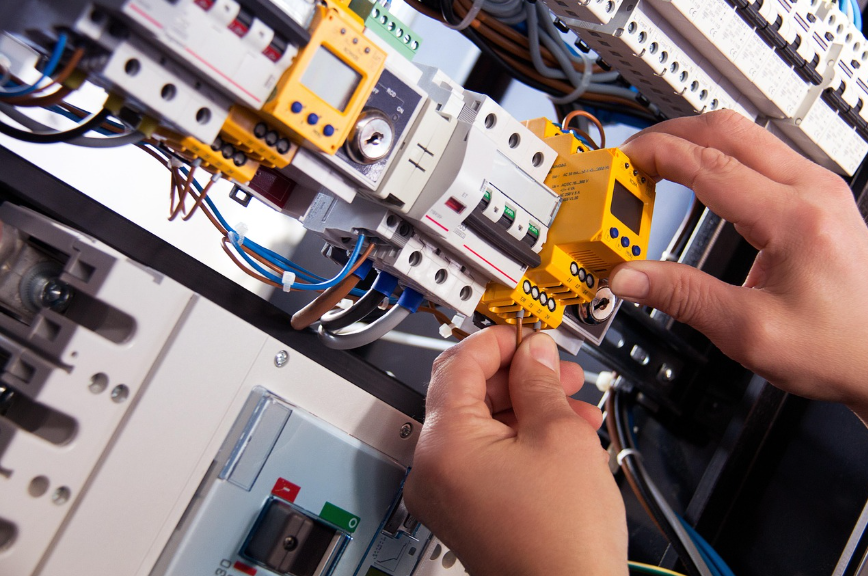
The distribution board is the control centre of your home’s electrical system. It manages power distribution and protects circuits from overloads and faults.
What to Look for Inside the DB Box
Open the DB box and inspect its overall condition. The panel should appear clean, secure and free from signs of overheating or moisture intrusion.
Look for:
- Clear circuit labels
- Secure breaker mounting
- No visible corrosion
- No burning smells
- No signs of water ingress
A well-maintained board makes future maintenance and troubleshooting much easier.
Signs of an Overloaded or Outdated Board
Older distribution boards may struggle to support modern appliance use, especially in homes with multiple air conditioners, kitchen appliances and entertainment systems.
Warning signs include:
- Frequently tripping breakers
- Warm or discoloured components
- Unlabelled circuits
- Limited spare capacity
These issues may indicate that the electrical system requires professional assessment.
Importance of Labelled Circuit Breakers
Each breaker should clearly identify the area or circuit it controls. Proper labelling improves safety and allows homeowners to isolate faults quickly when required.
Well-organised circuit breakers also assist electricians during future electrical work or upgrades.
Check 2: All Power Points and Switches
Power points and switches are among the most frequently used electrical components in any home.
How to Test Each Socket Safely
Test all power points using a low-power appliance or approved testing device. Verify that each socket functions correctly and maintains a secure connection.
Pay attention to any unusual sounds, looseness or interruptions in the electricity supply.
Signs of Wear, Discolouration or Loose Fittings
Damaged sockets may indicate underlying electrical problems.
Common warning signs include:
- Cracked faceplates
- Burn marks
- Yellowing or discolouration
- Loose fittings
- Sparking when plugs are inserted
These conditions should be addressed promptly to reduce potential safety hazards.
Which Rooms Typically Have the Most Issues
Kitchens, service yards and living rooms often experience higher usage levels due to the concentration of appliances.
Areas containing kitchen appliances, entertainment systems and charging stations may place greater demand on socket outlets and circuits.
Check 3: Earthing and RCD Protection
Proper earthing and Residual Current Device (RCD) protection are critical electrical safety measures in residential properties.
What RCDs Do and Why They Matter
An RCD monitors electricity flow and disconnects power when it detects a fault. This helps reduce the risk of electric shock and serious injuries.
Modern electrical installations rely on RCD protection as an important layer of safety.
How to Test if Your RCD Is Functioning
Most RCD units include a test button. Pressing the button should cause the device to trip and disconnect power temporarily.
If the unit fails to respond, further investigation by an electrician may be necessary.
What Happens if Earthing Is Absent or Faulty
Faulty earthing can increase the risk of electric shock, appliance damage and unsafe fault conditions.
A professional electrical inspection can verify whether earthing arrangements meet current safety standards and operational requirements.
Check 4: Wiring in Wet Areas
Bathrooms, kitchens and service yards require special attention because water significantly increases electrical risks.
Kitchen and Bathroom Electrical Risks
Electrical systems operating near water sources face greater exposure to moisture and condensation.
Bathrooms, kitchens and laundry areas require suitable protection measures to minimise electrical accidents and ensure safe appliance use.
Signs of Moisture Damage Around Sockets and Switches
Inspect nearby sockets and switches for:
- Rust marks
- Discolouration
- Water stains
- Cracked sealant
- Condensation build-up
Moisture damage can affect the reliability and safety of electrical components.
Why Wet Area Wiring Needs Special Attention
Electrical wiring in wet environments must remain adequately protected against moisture ingress.
A professional electrical safety inspection can identify concealed problems before they develop into larger electrical hazards.
Check 5: Air-Con Wiring And Dedicated Circuits
Modern air conditioning systems place significant demand on residential electrical systems.
Why Air-Con Units Need Dedicated Circuits
Many air conditioning systems require dedicated circuits to handle their electrical load safely.
Sharing circuits with multiple high-power appliances can increase the risk of overloads and nuisance breaker trips.
Signs of Improper Air-Con Wiring Installation
Potential warning signs include:
- Frequent breaker trips
- Flickering lights
- Warm switches
- Unusual noises from the electrical panel
These symptoms may indicate issues with wiring, load distribution or installation quality.
What to Check if the Breaker Trips
If the breaker trips whenever the air conditioner operates, stop resetting it repeatedly.
An experienced electrical worker should assess the circuit to determine whether the issue relates to load capacity, equipment faults or wiring defects.
Check 6: Visible Wiring and Conduit Condition
Visible wiring can provide valuable clues about the overall condition of an electrical system.
How To Spot Damaged or Exposed Wiring
Inspect accessible wiring areas for:
- Cracked insulation
- Exposed conductors
- Loose cables
- Signs of overheating
Damaged wiring can create significant safety hazards if left unattended.
Conduit Checks in Service Yards and Utility Areas
Conduits help protect wiring from mechanical damage and environmental exposure.
Inspect conduit systems in service yards, utility areas and storage spaces for cracks, breaks or loose sections.
When Concealed Wiring Needs Professional Assessment
Concealed wiring cannot be inspected visually. If a property has a history of electrical issues, unexplained power failures or previous renovation work, a professional assessment may be advisable.
Comprehensive electrical inspection services can evaluate hidden electrical infrastructure using specialised testing equipment.
When to Call an Electrician
Some checklist items require professional expertise and should not be handled by homeowners.
Which Checklist Items Require Professional Attention
Contact a qualified electrician if you encounter:
- Repeated breaker trips
- Burnt sockets
- Faulty RCD operation
- Exposed wiring
- Signs of overheating
- Water-damaged electrical components
These conditions may require immediate investigation.
What a Professional Home Electrical Inspection Covers
A detailed electrical safety inspection typically includes:
| Inspection Component | Assessment Area |
| Distribution Board | Circuit protection and condition |
| Wiring Systems | Safety and compliance |
| Power Points | Operation and condition |
| Earthing System | Fault protection |
| Load Capacity | Appliance demand suitability |
| Safety Devices | RCD and breaker functionality |
Professional safety inspections help identify both visible and hidden risks.
How HDB Electrical Services Can Help New Homeowners
Professional electrical inspection services provide a thorough review of your property’s electrical condition before move-in.
A qualified electrician can assess compliance, identify defects and recommend practical solutions to improve safety and reliability.
Frequently Asked Questions
What Is an Electrical Safety Checklist in Singapore?
Do New HDB Flats Need an Electrical Inspection?
What Does an Electrical Safety Inspection Include?
How Often Should Homeowners Schedule Safety Inspections?
Protect Your New Home With a Professional Electrical Inspection
Electrical problems are often hidden behind walls, ceilings and distribution boards. While many issues may not be immediately visible, they can affect safety, appliance performance and long-term property value.
By following this Electrical Safety Checklist, Singapore homeowners can identify potential concerns involving circuit breakers, power points, wiring systems, air-conditioning circuits and other critical electrical installations before moving in.
Whether you own a new BTO, a resale flat or a condominium, an early inspection can help prevent costly repairs, electrical accidents and avoidable downtime.
Not sure if your new home’s electrical system is safe? Get a professional check before you move in. Contact Electricman for a full home electrical inspection today and enjoy greater peace of mind knowing your property is ready for safe and reliable everyday use.
