

Common Types of Electrical Issues in Commercial Properties & How Professionals Fix Them with Commercial Electrical Services
Reliable electrical systems are the backbone of every commercial property. From powering lighting, air-conditioning, and security systems to supporting servers, machinery, and daily operations, electricity enables businesses to function smoothly and safely. Unlike a private home, electrical faults in a commercial property do not simply cause inconvenience; they can disrupt workflows, damage expensive equipment, compromise safety, and lead to significant financial losses.
In Singapore’s highly regulated and fast-moving commercial environment, even minor electrical issues can escalate quickly if not addressed properly. This is why engaging professional commercial electrical services is essential, as it is critical to the safety and reliability of business operations. Certified electricians ensure that the electrical systems of a commercial entity operate safely, efficiently, and in full compliance with local regulations to the benefit of employees, customers, and assets while supporting long-term business continuity.
Why Electrical Issues Are Common in Commercial Buildings
Commercial buildings face a unique set of electrical challenges that differ significantly from residential properties. Understanding why these issues arise helps business owners and facility managers make informed decisions about maintenance, upgrades, and long-term electrical planning.
High Power Consumption and Heavy Equipment Usage
Commercial environments typically operate with far higher electrical loads than homes. Offices rely on computers, servers, and climate control systems. Retail spaces use display lighting, POS systems, and digital signage. Warehouses and manufacturing facilities operate machinery, conveyor systems, and industrial equipment.
Without proper load planning and effective power distribution, circuits can become overloaded. Over time, this constant electrical strain increases wear on the wiring and electrical panels. Over time, this constant electrical strain can be transferred to the system components, increasing wear and raising the likelihood of faults, power trips, and overheating.
Ageing Electrical Infrastructure in Older Commercial Properties
Many commercial buildings in Singapore were constructed decades ago, long before today’s energy demands existed. These properties may still rely on old wiring, outdated switchboards, or distribution panels that were never designed to support modern electrical loads and are no longer suitable to be used safely.
As wiring insulation degrades and connections loosen with age, the risk of faults, overheating, and fire hazards increases. Without timely upgrades, ageing electrical infrastructure becomes a silent risk that is a serious concern within otherwise functional commercial spaces.
Frequent Renovations and System Modifications
Commercial spaces are constantly evolving. Office reconfigurations, new tenants, expanded retail layouts, and equipment upgrades all require electrical modifications. Each change adds new circuits, loads, and connection points.
When these changes are carried out without holistic system planning, they can strain existing wiring and distribution boards. Over time, poorly integrated modifications lead to uneven load distribution, circuit instability, and recurring electrical problems.
Lack of Regular Electrical Maintenance
Unlike visible building elements, electrical systems are often “out of sight, out of mind.” Without routine inspections by a qualified service provider, small issues such as loose connections or early insulation breakdown can go unnoticed.
What starts as a minor fault can eventually develop into major system failures, emergency outages, or serious safety incidents. Preventive maintenance is often overlooked until a breakdown forces urgent and costly repairs.
Most Common Electrical Issues in Commercial Properties
Electrical problems in commercial properties tend to follow recognisable patterns. Identifying these common issues early allows businesses to address risks before operations are disrupted.
Frequent Power Trips and Circuit Overloads
One of the most common electrical issues in commercial properties is frequent power tripping. Circuit breakers are designed to trip when electrical loads exceed safe limits, acting as a protective measure against overheating and fire.
Repeated tripping indicates that circuits are consistently overloaded or that wiring is no longer capable of handling current demand. Businesses often respond by resetting breakers repeatedly, but this does not resolve the underlying problem.
If left unresolved, overloaded circuits can lead to damaged wiring, reduced equipment lifespan, and increased fire risk, ultimately causing unplanned downtime and safety hazards.
Faulty or Outdated Electrical Wiring
Electrical wiring is not designed to last forever. Over time, insulation deteriorates, cables become brittle, and connections loosen. Common warning signs include warm outlets, burning smells, discoloured sockets, and inconsistent power delivery.
Outdated electrical wiring may also fail to comply with current safety standards. In commercial settings, non-compliant wiring can result in failed inspections, insurance issues, and heightened liability risks. Professional intervention is essential to restore safety and reliability.
Flickering or Inconsistent Lighting
Flickering lights are a frequent complaint in offices, retail outlets, warehouses, and industrial spaces. While often dismissed as a minor annoyance, inconsistent lighting usually signals deeper electrical problems.
Causes may include loose wiring connections, failing fixtures, unstable voltage supply, or overloaded circuits. In commercial environments, poor lighting affects employee concentration, increases eye strain, and negatively impacts customer perception, especially in retail and hospitality settings.
Timely lighting system repair not only restores proper illumination but also addresses underlying electrical issues before they worsen.
Electrical Panel and Distribution Board Problems
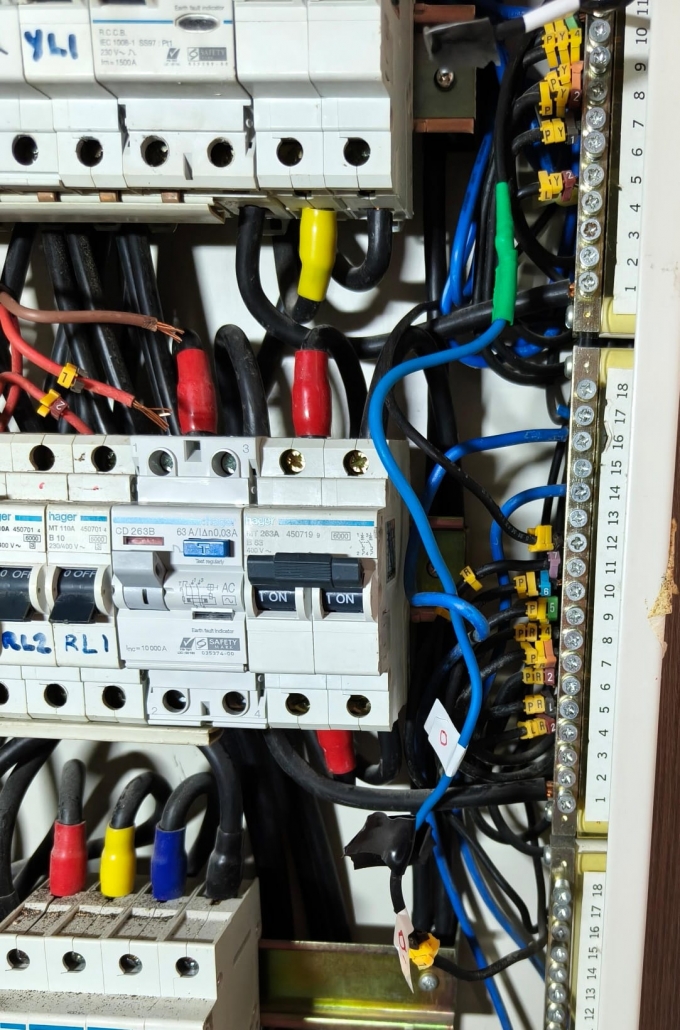
Electrical panels and distribution boards manage how power is delivered throughout a property. Problems such as overheating panels, corrosion, loose terminals, or insufficient capacity can compromise the entire electrical system and the overall reliability of operations for the business.
Many commercial properties outgrow their original electrical panels as operations expand. When panels are not upgraded accordingly, businesses may experience voltage drops, uneven power distribution, and frequent outages.
Without proper upgrades, these issues can escalate into widespread system failures that affect multiple areas of a property simultaneously.
Power Surges and Voltage Fluctuations
Power surges and voltage fluctuations are particularly damaging in commercial environments where sensitive equipment is used. POS systems, servers, refrigeration units, and automated machinery are highly vulnerable to unstable electrical supply.
Poor grounding, faulty wiring, and unstable internal distribution are common causes. Repeated voltage fluctuations can silently degrade equipment performance, leading to unexpected failures and expensive replacements.
Emergency Electrical Failures and Power Outages
Unexpected electrical failures can bring business operations to a complete standstill. Emergency outages may result from panel failures, wiring faults, or equipment overloads.
In commercial properties, power outages can compromise security systems, emergency lighting, access controls, and data integrity. Without a rapid professional response, downtime can lead to revenue loss, reputational damage, and safety concerns.
How Professional Electricians Fix Commercial Electrical Issues
Addressing commercial electrical issues requires expertise, planning, and adherence to strict safety standards. Professional electricians focus on long-term solutions rather than temporary fixes.
Electrical Inspection and Fault Diagnosis
Professional electricians begin with a comprehensive inspection of the electrical system. Using specialised testing equipment, they assess wiring integrity, circuit loads, grounding effectiveness, panel condition, and voltage stability.
This process identifies hidden issues such as deteriorating wiring, loose connections, and recurring overload patterns that are often missed during surface-level checks. Accurate diagnosis ensures that solutions target root causes, not just symptoms.
Load Balancing and Electrical System Upgrades
Once faults are identified, electricians rebalance electrical loads across circuits to reduce stress on individual components. This often involves upgrading circuits, switchboards, or distribution panels to accommodate modern electrical demand.
Electrical system upgrades are particularly important for growing businesses. Proper upgrades ensure safe operation during peak loads while supporting future expansion without recurring breakdowns.
Lighting System Repair and LED Upgrades
Professional electricians repair or replace faulty lighting fixtures, switches, and control systems. In many cases, businesses take the opportunity to upgrade to LED lighting.
LED upgrades improve reliability, reduce energy consumption, and lower maintenance costs. Well-designed lighting systems also improve workplace comfort and customer experience while integrating seamlessly with modern electrical infrastructure.
Surge Protection and Grounding Solutions
To protect valuable equipment, electricians install surge protection devices and enhance grounding systems. These measures stabilise voltage, redirect excess electrical energy safely, and reduce the risk of damage from sudden spikes.
Effective grounding is especially critical in commercial properties that rely on sensitive electronics, automation systems, and IT infrastructure.
Emergency Electrical Repair Services
When emergencies occur, professional electricians provide rapid-response services to isolate faults, secure affected areas, and restore power safely.
Emergency electrical repair services are essential for businesses that cannot afford prolonged downtime, such as retail operations, data centres, healthcare facilities, and manufacturing plants. Fast intervention minimises disruption while maintaining safety.
Importance of Preventive Electrical Maintenance for Commercial Properties
Preventive electrical maintenance is one of the most effective ways to avoid unexpected failures. Regular inspections allow electricians to detect early signs of wear, imbalance, or overheating before they escalate into emergencies.
Scheduled maintenance extends the lifespan of electrical systems, reduces repair costs, and ensures ongoing compliance with safety regulations. It also enables property owners to plan upgrades strategically rather than reactively.
Why Hire Licensed Commercial Electrical Professionals
Commercial electrical systems are complex and highly regulated. Licensed professionals understand local safety requirements, load calculations, and system design principles.
Their expertise delivers long-term cost efficiency, reliable performance, and dependable customer service. Working with the right electricians ensures that repairs, upgrades, and maintenance are carried out correctly the first time, reducing risk and improving operational stability.
Protect Your Business with The Best Commercial Electrical Services in the Country
Electrical issues in commercial properties, from faulty wiring and lighting failures to power distribution problems, can seriously impact safety, productivity, and business continuity. Professional electrical services provide the technical expertise needed to diagnose issues accurately, implement lasting solutions, and prevent future failures.
For safe, reliable, and efficient operations, schedule regular inspections and maintenance with Electricman. Contact us today to arrange professional commercial electrical services and keep your property powered, compliant, and future-ready.

